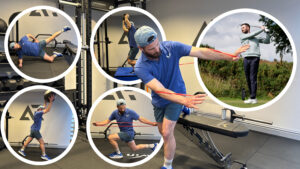
Golf is a game of precision, focus, and skill. While technique and mental acuity are crucial, one often overlooked aspect that can dramatically improve your performance on the course is flexibility. The ability to move freely and effortlessly through a full range of motion can enhance your swing mechanics, reduce the risk of injury, and ultimately lower your scores. This article delves into how unlocking flexibility can instantly boost your golf game, offering insights and practical tips for golfers of all levels.
The Importance of Flexibility in Golf
Flexibility in golf isn’t just about being able to touch your toes or perform a perfect stretch. It’s about having the right balance of strength and agility to execute powerful and controlled swings. Here’s why flexibility is essential:
Improved Swing Mechanics
A flexible body allows for a more fluid and efficient swing. Flexibility in the shoulders, hips, and spine can lead to a greater range of motion, helping you achieve a full backswing and follow-through. This results in increased clubhead speed and more consistent ball striking.
Enhanced Power and Distance
When your muscles and joints can move freely, you can generate more power without exerting extra effort. A flexible body acts like a well-oiled machine, allowing you to transfer energy more effectively from your core to the clubhead, resulting in longer drives.
Reduced Risk of Injury
Golfers who lack flexibility often compensate with improper mechanics, which can lead to strain and injury. By maintaining flexibility, you can prevent common golf-related injuries, such as lower back pain, shoulder strains, and elbow injuries.
Better Control and Accuracy
Flexibility contributes to better balance and stability, which are crucial for maintaining control during your swing. With improved flexibility, you can make more precise adjustments to your stance and swing path, enhancing your overall accuracy.
Key Areas for Flexibility in Golf
To unlock flexibility and instantly boost your golf game, focus on the following key areas:
Shoulders
The shoulders play a pivotal role in the golf swing, allowing you to rotate and generate power. Stretching and strengthening exercises targeting the shoulders can enhance your swing plane and prevent common issues like over-the-top swings.
Hips
Hip flexibility is vital for a smooth transition from the backswing to the downswing. Tight hips can restrict your ability to rotate fully, leading to a loss of power and accuracy. Incorporate hip-opening exercises to improve your range of motion and stability.
Spine
A flexible spine is essential for maintaining posture and balance throughout the swing. Exercises that enhance spinal mobility can prevent lower back pain and contribute to a more consistent swing.
Wrists
Flexible wrists allow for better club control and release. Stretching and strengthening your wrists can improve your grip and prevent injuries like golfer’s elbow.
Effective Flexibility Exercises for Golfers
Incorporating flexibility exercises into your routine can have a profound impact on your golf game. Here are some effective exercises to get you started:
Dynamic Warm-Ups
Before hitting the course, engage in dynamic warm-up exercises to prepare your body for the demands of golfing. Arm circles, leg swings, and torso twists are excellent for increasing blood flow and enhancing flexibility.
Yoga for Golfers
Yoga is an excellent way to improve overall flexibility and balance. Poses like the Warrior II, Triangle Pose, and Cat-Cow stretch can enhance your flexibility and core strength, benefiting your golf swing.
Foam Rolling
Foam rolling helps release muscle tension and improve flexibility. Focus on areas like the calves, hamstrings, and upper back to increase your range of motion and reduce muscle soreness.
Static Stretching
Post-round, engage in static stretching to cool down and prevent stiffness. Hold stretches for 15-30 seconds, focusing on key areas like the shoulders, hips, and lower back.
Integrating Flexibility Training into Your Routine
To unlock flexibility and boost your golf game, it’s essential to make flexibility training a regular part of your routine. Here are some tips for effective integration:
Consistency is Key
Aim for at least three sessions of flexibility training per week. Consistency will lead to gradual improvements and long-term benefits.
Progressive Intensity
Gradually increase the intensity and duration of your flexibility exercises. As your body becomes more flexible, challenge yourself with more advanced stretches and routines.
Listen to Your Body
Flexibility training should never be painful. Listen to your body and avoid pushing beyond your limits. Overstretching can lead to injury, hindering your progress.
Seek Professional Guidance
Consider consulting a golf fitness professional or physical therapist to tailor a flexibility program that suits your individual needs and goals.
Conclusion
Unlocking flexibility is a game-changer for golfers seeking to elevate their performance on the course. By improving your range of motion, you can enhance your swing mechanics, generate more power, and reduce the risk of injury. Incorporate targeted flexibility exercises into your routine, and you’ll soon notice a significant boost in your golf game. Whether you’re a beginner or a seasoned pro, embracing flexibility will help you achieve new heights in your golfing journey. So, start stretching, and watch your game improve instantly!