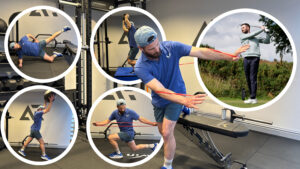
Golf is a game of precision, patience, and perseverance. Whether you’re a novice or an experienced player, mastering your swing is essential for improving your overall game. While natural talent can play a role, consistent practice and a structured routine are key to achieving success on the golf course. This guide provides an ultimate practice routine aimed at helping golfers of all levels enhance their swing, increase accuracy, and lower their scores.
Understanding the Basics of a Golf Swing
Before diving into advanced techniques and practice routines, it’s essential to understand the basic components of a golf swing. A well-executed swing involves several key elements:
– **Grip**: How you hold the club is fundamental. The grip should be firm but relaxed, allowing for control and flexibility.
– **Stance**: Your feet should be shoulder-width apart, with knees slightly bent. The ball should be positioned based on the club you are using.
– **Backswing**: This is the motion of bringing the club back from the ball. It should be smooth and controlled, with your shoulders turning away from the target.
– **Downswing**: The transition from backswing to hitting the ball. It requires a shift in weight from your back foot to your front foot.
– **Follow-through**: Completing the swing with a full rotation of your hips and shoulders towards the target.
Designing Your Practice Routine
Creating a comprehensive practice routine is crucial for mastering your swing. A well-rounded routine should include drills focusing on different aspects of the swing, as well as exercises to improve your overall physical fitness. Here’s how you can structure your routine:
Warm-Up Session
Starting with a proper warm-up is essential to prevent injury and prepare your body for practice:
– **Stretching**: Focus on dynamic stretches that target your shoulders, back, hips, and legs.
– **Light cardio**: Engage in a brief session of jogging or brisk walking to increase your heart rate and circulation.
– **Swing warm-up**: Practice half-swings with a light club, gradually increasing to full swings to loosen up your muscles.
Focus on Fundamentals
Spend the first part of your practice session reinforcing the fundamentals of your swing:
– **Grip and Stance Drills**: Use alignment sticks to ensure your feet, hips, and shoulders are properly aligned.
– **Mirror Drills**: Practice your swing in front of a mirror to check your posture and positions throughout the swing.
– **Balance Exercises**: Use a balance board or simply stand on one leg to improve your stability during the swing.
Targeted Swing Drills
Incorporate drills that target specific areas of your swing that need improvement:
– **Tee Drill**: Place a tee a few inches in front of the ball and practice hitting the ball while also attempting to clip the tee. This encourages a downward strike and proper ball contact.
– **Impact Bag Drill**: Use an impact bag to focus on the moment of impact, ensuring your hands are ahead of the clubface.
– **Pause and Go Drill**: Swing back, pause at the top for a count, then complete the swing. This helps with rhythm and timing.
Short Game Practice
A significant portion of your practice should be dedicated to the short game, which can drastically affect your score:
– **Chipping Drills**: Practice various chip shots around the green, focusing on distance control and accuracy.
– **Putting Drills**: Work on different lengths of putts, ensuring you practice both lag putts and short putts.
– **Bunker Practice**: Spend time practicing bunker shots, focusing on controlling the distance and spin.
On-Course Practice
While drills are essential, practicing on the course is equally important:
– **Simulation Rounds**: Play practice rounds where you focus on specific aspects of your game, such as driving accuracy or approach shots.
– **Course Strategy**: Use practice rounds to develop course management skills, such as knowing when to play aggressively or conservatively.
Incorporating Physical Fitness
Physical fitness plays a crucial role in the effectiveness of your golf swing. Adding specific workouts to your routine will improve your strength, flexibility, and endurance:
Strength Training
– **Core Exercises**: Focus on exercises like planks, Russian twists, and medicine ball throws to enhance core stability.
– **Leg Workouts**: Incorporate squats, lunges, and calf raises to build lower body strength.
– **Upper Body Strength**: Use dumbbells for exercises like shoulder presses and tricep extensions to strengthen arm and shoulder muscles.
Flexibility and Mobility
– **Yoga or Pilates**: Participate in classes or follow routines that improve flexibility and balance.
– **Dynamic Stretching**: Incorporate exercises that improve your range of motion, particularly in the hips and shoulders.
Tracking Progress and Adjustments
To ensure your practice routine is effective, it’s important to track your progress and make necessary adjustments:
– **Record Sessions**: Use a journal or app to note what drills you performed, how you felt, and any observations about your performance.
– **Video Analysis**: Record your swing and analyze it to identify areas for improvement. Compare your swing over time to track progress.
– **Feedback and Coaching**: Seek feedback from a coach or experienced players to gain insights into your swing mechanics and course strategy.
Conclusion
Mastering your golf swing is a continuous journey that requires dedication, practice, and the willingness to adapt and learn. By following a structured practice routine that encompasses both technical drills and physical fitness, you can develop a consistent and effective swing. Remember to be patient with yourself, as improvement in golf takes time. With persistence and the right approach, you’ll see significant progress in your swing and overall performance on the golf course. Happy practicing!