Golf is not only a sport but also a rich tradition that combines skill, strategy, and etiquette. Unlike many other sports, golf is often played without the direct supervision of a referee or umpire, which makes understanding and following etiquette even more critical. Whether you’re a seasoned player or a beginner, mastering golf etiquette helps maintain the spirit of the game and ensures an enjoyable experience for everyone on the course.
The Importance of Respect on the Golf Course
Respect is the cornerstone of golf etiquette. It extends to fellow players, the course, and the game itself. This respect is demonstrated through polite behavior, punctuality, and care for the course. By adhering to these principles, players contribute to a more enjoyable and fair round of golf.
Punctuality and Preparedness
Being on time is crucial in golf. Arrive at the course well ahead of your tee time to allow for check-in, warm-up, and any necessary preparations. This ensures that games proceed without delay and shows respect for your fellow golfers.
On the Tee Box
The tee box is where your game begins, and observing etiquette here sets the tone for the rest of the round.
Order of Play
Traditionally, the player with the lowest score on the previous hole tees off first. This order, known as “honors,” promotes fairness and rhythm in the game. If you’re playing a casual round, feel free to decide on a different order if all parties agree.
Quiet and Stillness
While a player is preparing to tee off, it’s essential to remain quiet and still. Distracting noises or movements can disrupt their concentration, leading to an unfair disadvantage.
Tee Markers
Always tee off between the designated markers and within two club lengths behind them. This rule ensures fairness and consistency in play.
Fairway Etiquette
After teeing off, players navigate the fairway towards the hole. Proper etiquette here ensures smooth and efficient play.
Maintaining Pace of Play
Slow play can frustrate other golfers and disrupt the flow of the course. Be ready to play when it’s your turn, and keep up with the group ahead. If you’re holding up play, allow faster groups to play through.
Repairing Divots
Divots can damage the fairway, affecting subsequent play. Always repair your divots by replacing the grass or using a divot mix provided by the course.
Cart Courtesy
When using a golf cart, follow the cart path rules and avoid driving on sensitive areas like greens and tee boxes. Park the cart on the path when near greens and tees to minimize damage.
On the Green
The green is a sacred area where the final strokes of each hole are played. Special care must be taken to preserve its condition.
Repairing Ball Marks
Ball marks can damage the smooth surface of the green, affecting putts. Use a ball mark repair tool to gently fix any marks you create.
Mind the Flagstick
When tending the flagstick, ensure it doesn’t touch the green. After retrieving your ball, carefully replace the flagstick in the hole.
Respecting the Line
Avoid stepping on another player’s putting line, as footprints can alter the ball’s path. Walk around, not over, these lines whenever possible.
General Golf Etiquette
In addition to the specific situations mentioned, there are general etiquette principles that apply throughout the game.
Dress Code
Most golf courses have a dress code. Typically, this includes collared shirts, tailored pants or shorts, and appropriate footwear. Adhering to the dress code shows respect for the club and fellow golfers.
Handling Misplaced Shots
If your ball heads towards another group, yell “fore” to warn them of the incoming ball. This precaution can prevent accidents and injuries on the course.
Keeping Score
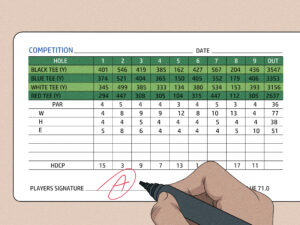
Keep an accurate score and verify it with your playing partners. Honesty and integrity are essential components of golf, reinforcing the game’s spirit of fairness.
Social Etiquette in Golf
Golf is a social sport, and fostering positive interactions with fellow players enhances the experience.
Sportsmanship
Display good sportsmanship regardless of the outcome. Congratulate others on good shots and accept both success and failure gracefully.
Conversation
While conversation is welcome, keep it light and considerate. Avoid discussing sensitive topics that might create tension or discomfort among players.
Celebrate with Class
When celebrating a great shot or a win, do so with humility and class. Over-the-top celebrations can be off-putting to others and detract from the game’s gentlemanly nature.
Conclusion: Embracing Golf Etiquette
Mastering golf etiquette is as important as perfecting your swing or understanding the rules. It ensures that the game remains enjoyable and accessible for everyone involved. By respecting the course, your fellow players, and the traditions of the game, you contribute to a more enriching golf experience. As you refine your skills and embrace these etiquette practices, you’ll find yourself not only mastering the greens but also becoming a more respected and valued member of the golfing community.
Final Thoughts
Etiquette is a vital part of what makes golf unique. It reflects the sport’s rich history and its emphasis on integrity, respect, and camaraderie. Whether you’re playing a casual round with friends or competing in a tournament, adhering to these etiquette guidelines will help you navigate the course with confidence and grace. So, lace up your golf shoes, grab your clubs, and step onto the course ready to honor the game with every swing.